Showing posts with label mektronic. Show all posts

Monday, May 13, 2013

Photographs Lie - The Mavic gruppo that didn't quite exist

Mavic's last hurrah in the complete gruppo market came in the early 00's. Mektronik, introduced in 1999, seems to have cowed Mavic enough that I can't imagine we'll ever see them market a complete group again. Expensive, quirky, and downright troublesome, Mavic was looking just a little too far ahead when they pushed their even more futuristic replacement for the Zap to market. As Shimano and Campagnolo have demonstrated, today the world is ready for electronic shifting. 10 years ago, not so much.

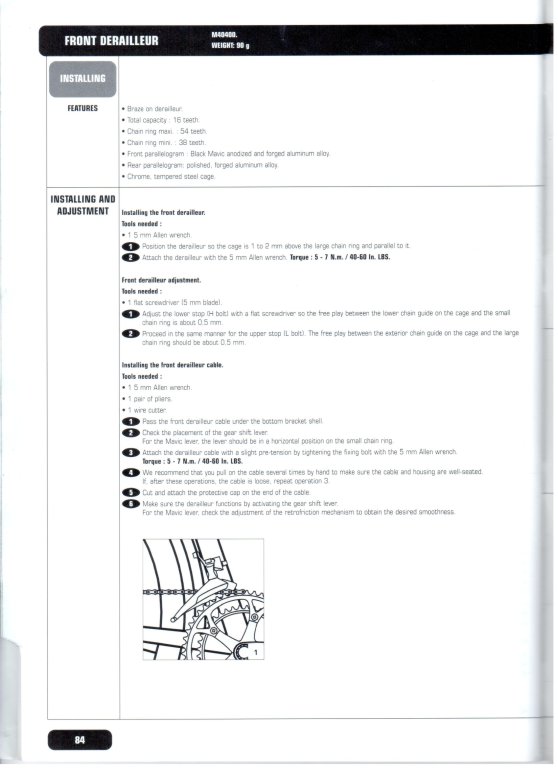
But a gruppo isn't a gruppo without a full array of components. Mektronic provided the integrated brake levers and electronic rear derailleur. Lesser known, but also present was the Mektronic front derailleur - a mechanical derailleur, a pretty significant departure from their 810/860 design to work with the narrower 9 speed drivetrains that were popular at the time. Mavic also introduced their leaf-spring R3 brake at the same time. All were available, for a price, with the brakes still available up until the last couple of years.

But what about a crank and headset?
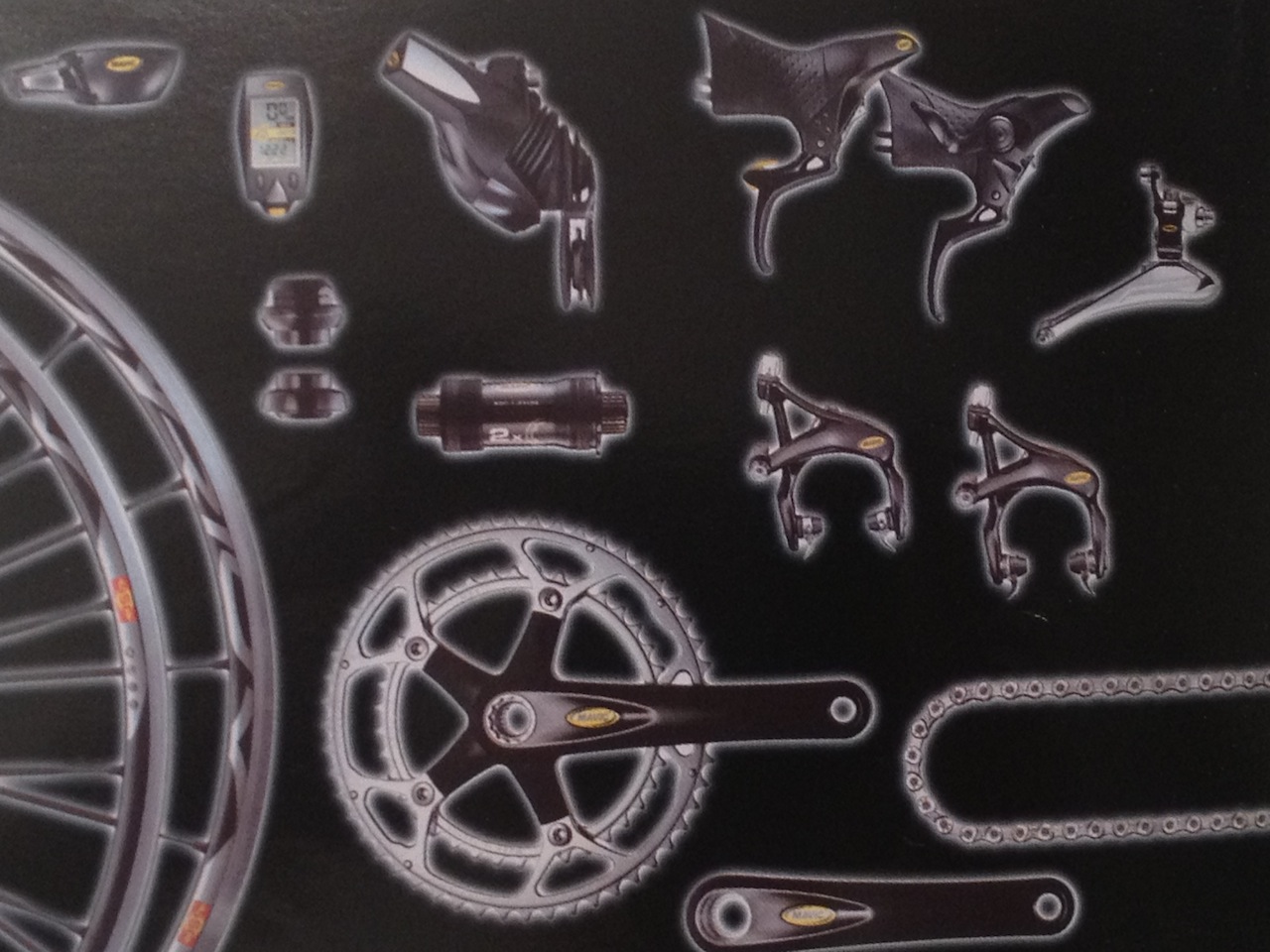
Mavic clearly had plans to offer Mektronic as a complete group. And to do that, they would need a crank/bottom bracket, and a headset. Their 2000 catalog showed just such items.

The headset, a threaded model, would be de rigueur, with 1" threadless headsets appearing on most high end frames right around that time.
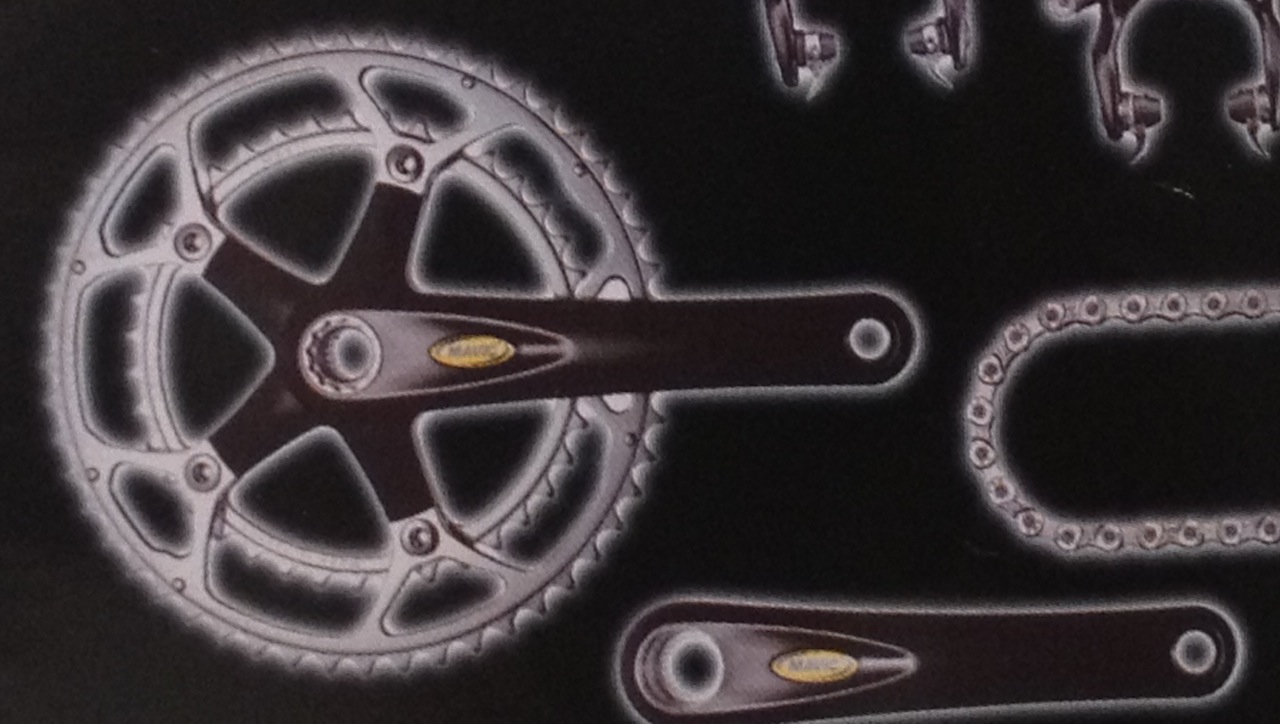
The crank looks to be ISIS. It looks familiar, but I can't put my finger on what other vendor's crank it looks like. My guess? It's an FSA crank, or one of the closely related companies in Taiwan, who was probably also the source for the brake calipers and front derailleur.

Regardless of who was going to make the crank, it seems that it never happened - or if it did, it certainly never happened in quantity. I've never seen the crank (and associated bottom bracket) or headset, other than in the catalog. Everything else was produced, though certainly not in the quantity of earlier Mavic components. If you have a crank or headset, please send me pictures!

Huge thanks to John Liu for providing me the images from the 2000 Mektronic catalog!

Wednesday, November 14, 2012

Un bref historique de retrofriction Simplex

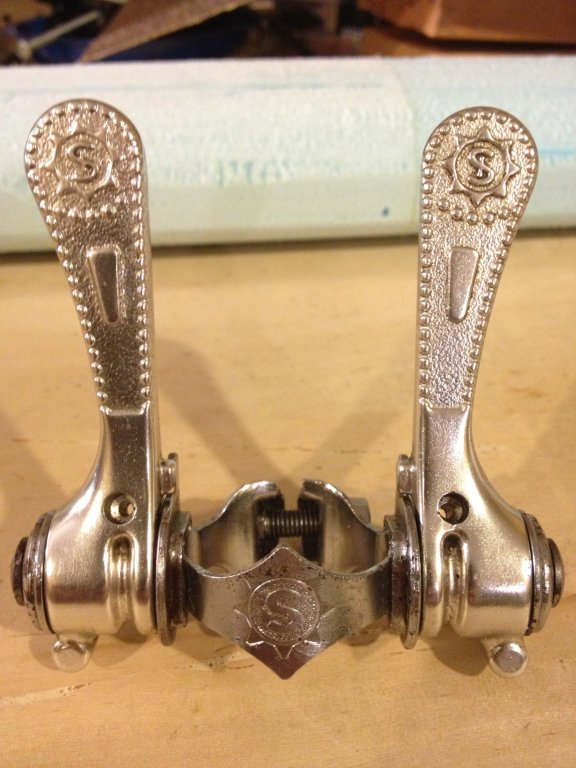
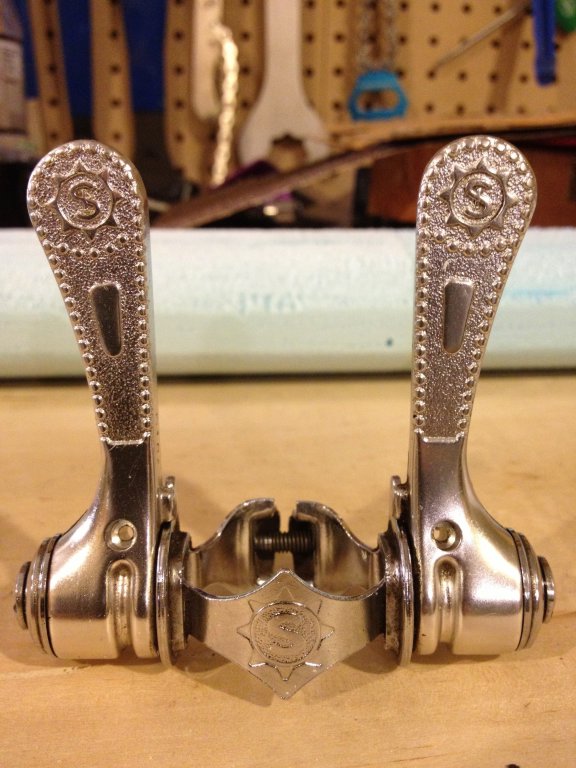
In the 70's and 80's, one of the most popular off-sponsor upgrade seen in the pro peloton was the Simplex retrofriction lever. Where the Nuovo Record might slip from the frame wrenching inflicted by a pro rider, the Simplex Retrofriction would hold its gear while allowing effortless shifting. Where traditional shifters relied solely on friction to hold the derailleur in place, Simplex utilized a novel spring clutch mechanism - pull back and the friction plate is disengaged, while the spring holds it in place when pushed forward, giving a balanced feel in spite of the pull the rear derailleur spring.

There were a few versions of the Simplex. Introduced in 1973, the mechanism lived for a very, very long time under a different of guises and vendors.

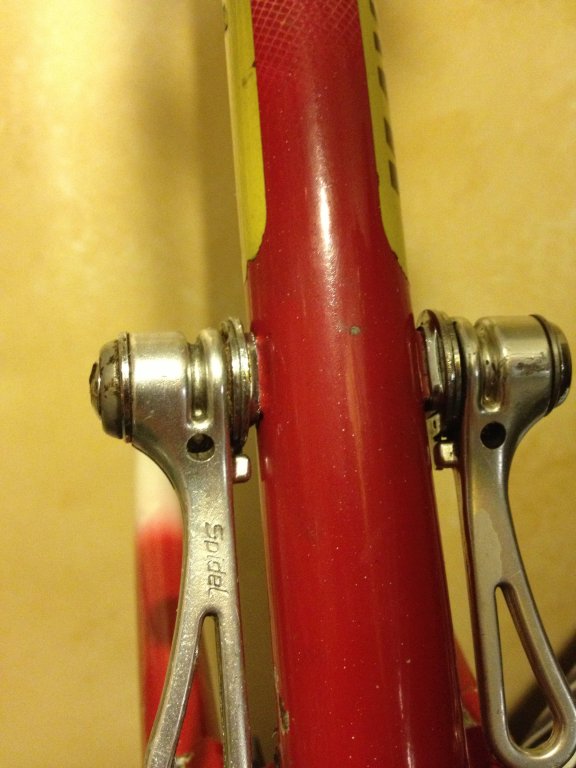
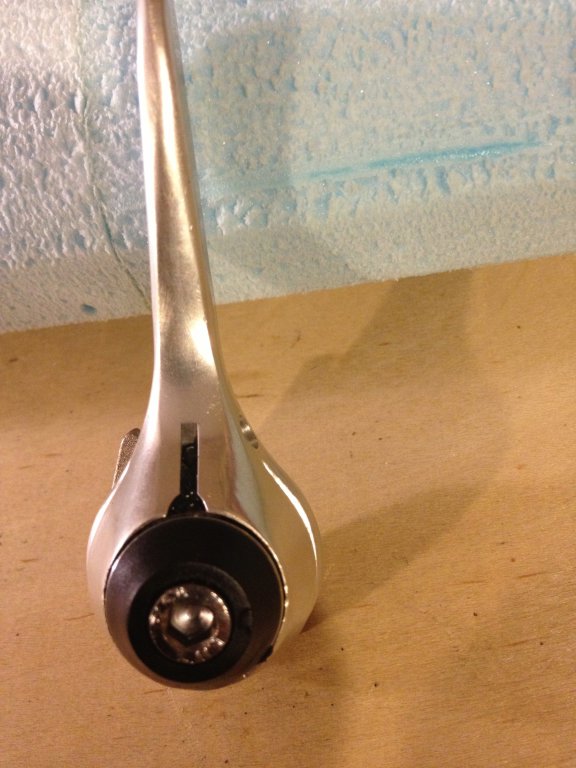
It'd be easy to label the first of the Simplex levers to be the above left, with the weird growth on their bottoms, and the example on the above right, with an internalized spring to be the more recent. Unfortunately, this may be incorrect, as the right example is detailed in their 1974 catalog, followed for the next 7 years by goitered example. In 1981, the clean hidden spring version returns. If you're looking to outfit a bike of the period, I suppose, technically, you'd be safe with either example. They were also availbale in gold and black anodized aluminum, as well as a delrin version.

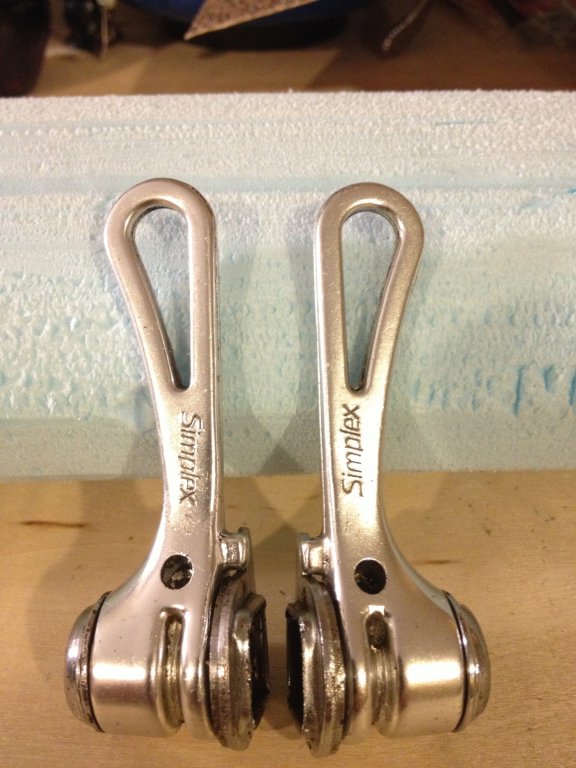
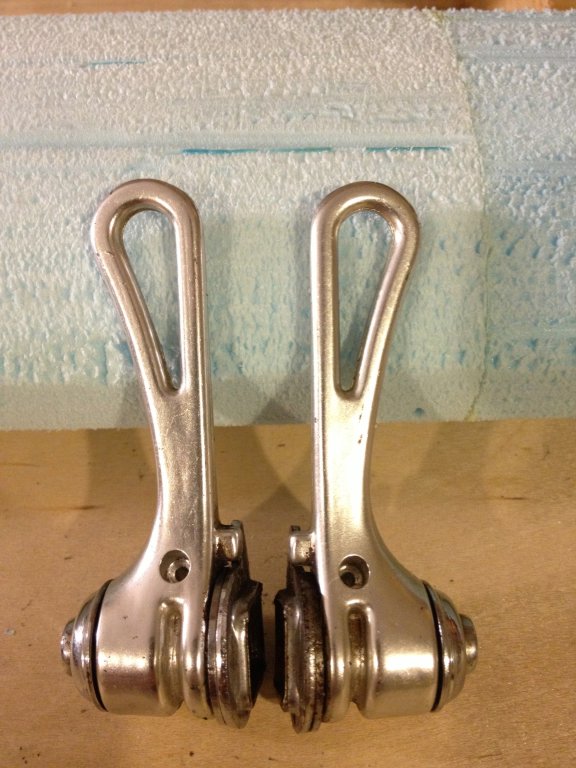
By the 1981 catalog, the lever shape changed to the "tear drop cutout" shape. I believe this version was introduced in 1978 or 1979.

A few different brandings of this lever are found. The unmarked version was sold both as Simplex and Mavic. In the late 70's, Simplex was a member of the Spidel "collective", and labeled it's levers as such.

While this is the last lever people often associate with Simplex, there were a few versions that came after.

The front shift lever supplied with the Mavic Zap group was produced by Simplex. Simplex also sold a pair of these in the early 90's.

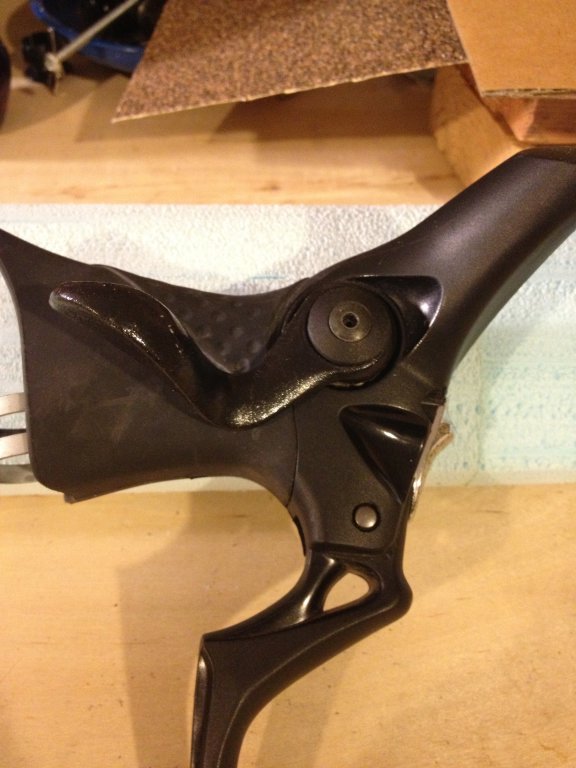
The Mavic Mektronic front lever might just give a view in to what might have happened had Mavic been first to introduce integrated shifters, instead of Shimano. Retrofriction lever sort of grafted on to the side of the lever body. Every time I'm in a less than optimal gear on a Shimano equipped bike, I wish I could have the infinite trim afforded by this sort of setup.

There were more variants! Gipiemme sold a version of the Simplex retrofriction lever, and I'm sure others did as well. Have any cool examples to share? Drop me an email with a picture!

velo-pages.com is a phenomenal resource. If you ever find yourself looking for a catalog, check it out - chances are good you'll find something there. It's also a great place to get lost in exploration!

Wednesday, April 11, 2012

1999 Mavic Mektronic Catalog

So just the other day I found myself at dinner with former French pro Jacky Durand. The sole non-French speaker at the table, I spent a pretty ridiculous amount of time nodding and smiling when I really had no clue what was going on. In between stories I'm pretty sure were about Jacky's mom dropping her friends on rides on the farm and how the sound of a pig being slaughtered can carry for kilometers, I picked up an all-too-familiar story about Mavic Mektronic. Power lines in the distance, Jacky related, were a sure sign that he and anyone else in the peloton stuck riding Mektronic were about to be in for a sufferfest - the system, when encountering interference, would cause the derailleur to reset it self, dumping them in to the smallest cog in the back.

Apocryphal or not, hearing Durand (and watching him act out) the effects of this on his performance were very comical - the guy can tell a story. I never got to play with Mektronic when it was new, given what it cost. I've since acquired a couple of sets, but haven't been able to bring myself to use it - a combination of fragility, obsolescence, and stories involving my already poor climbing abilities suffering in the presence of overhead power lines have killed any curiosity I once had about what it was like to ride.

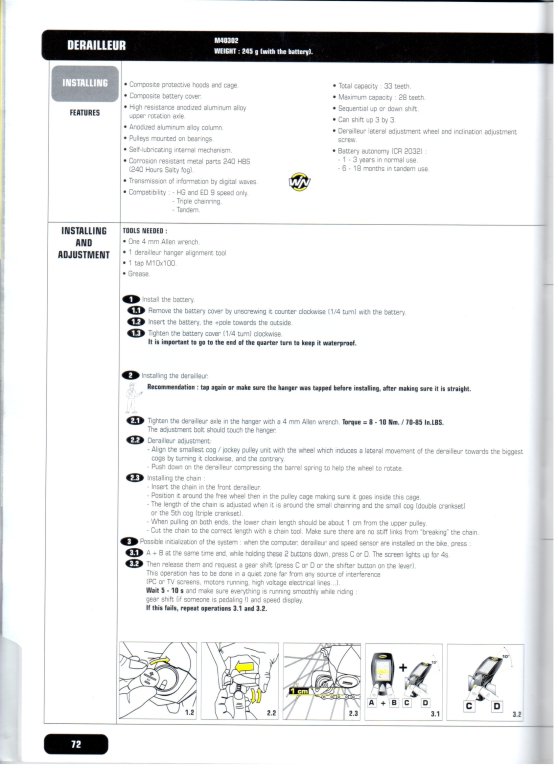
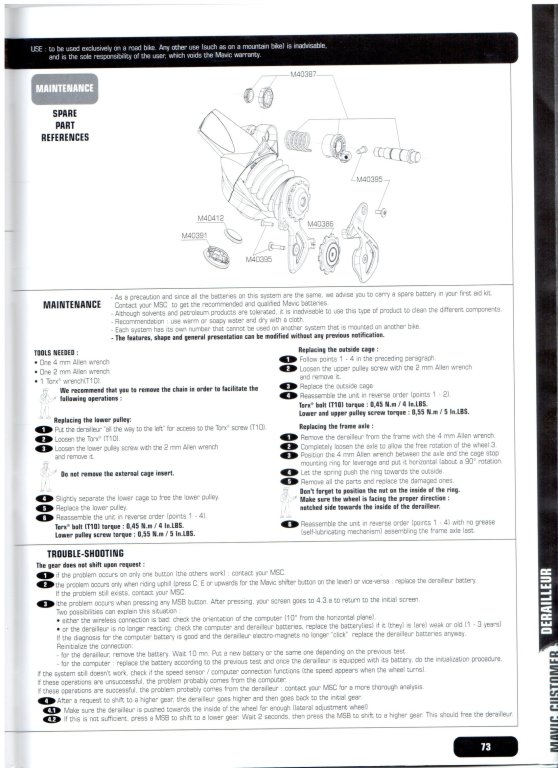
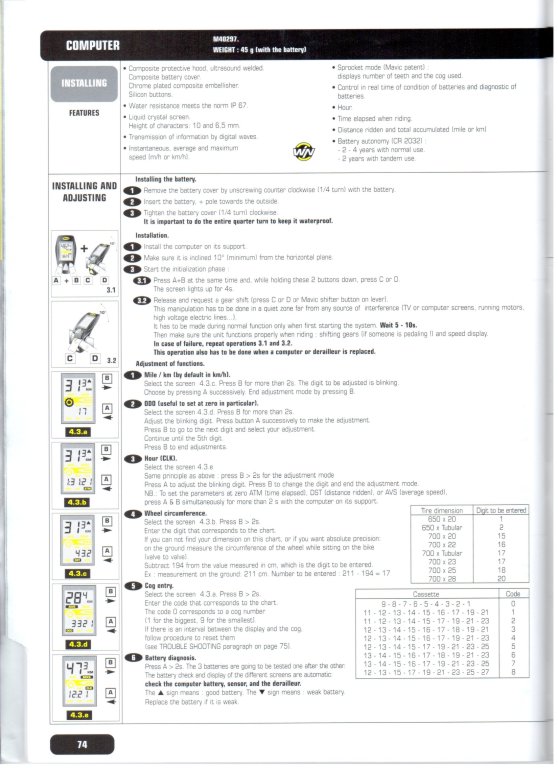
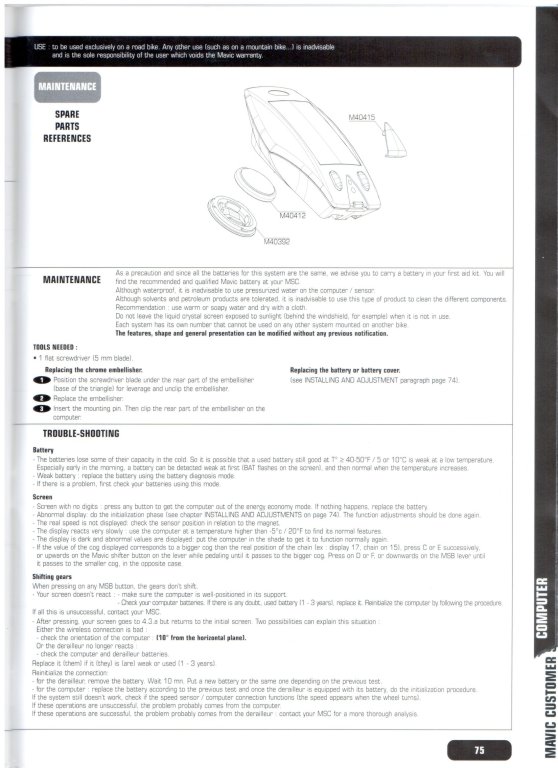
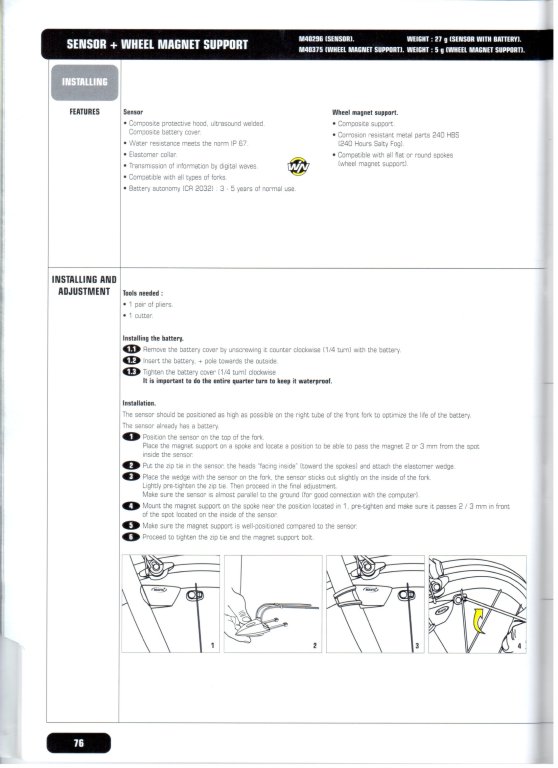
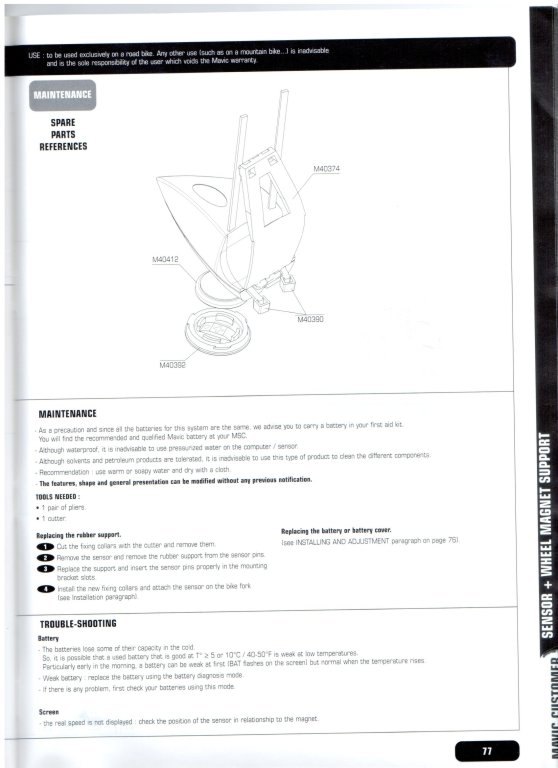
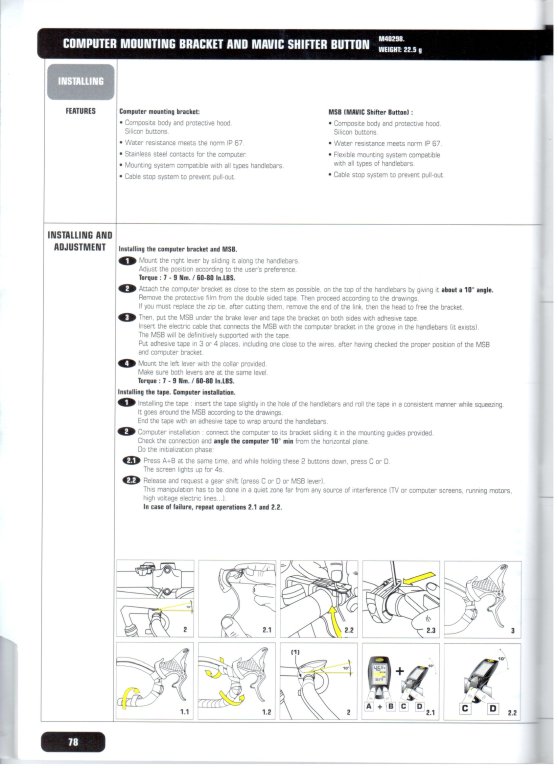
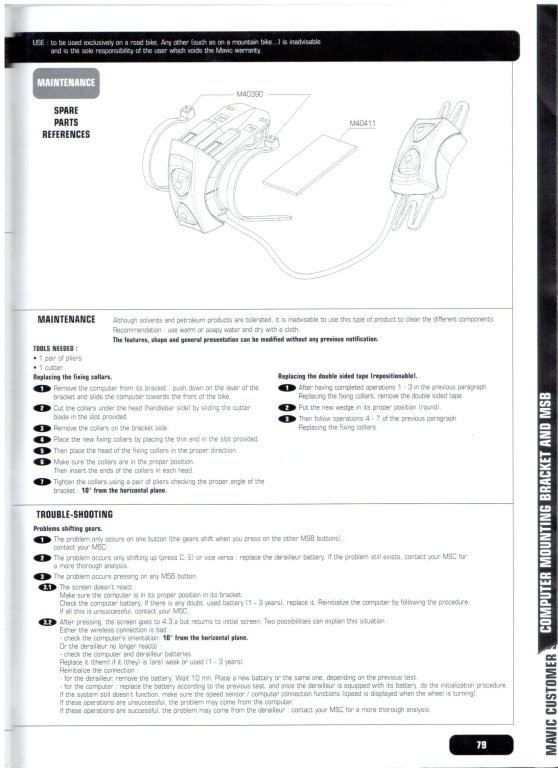
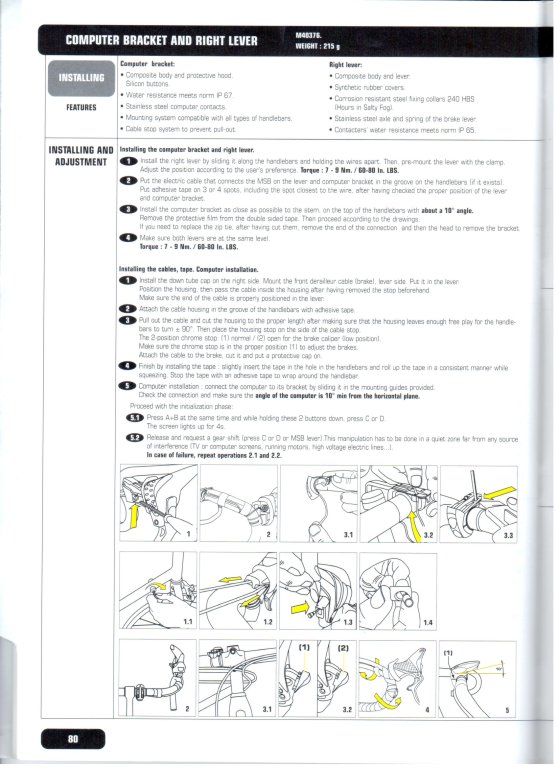
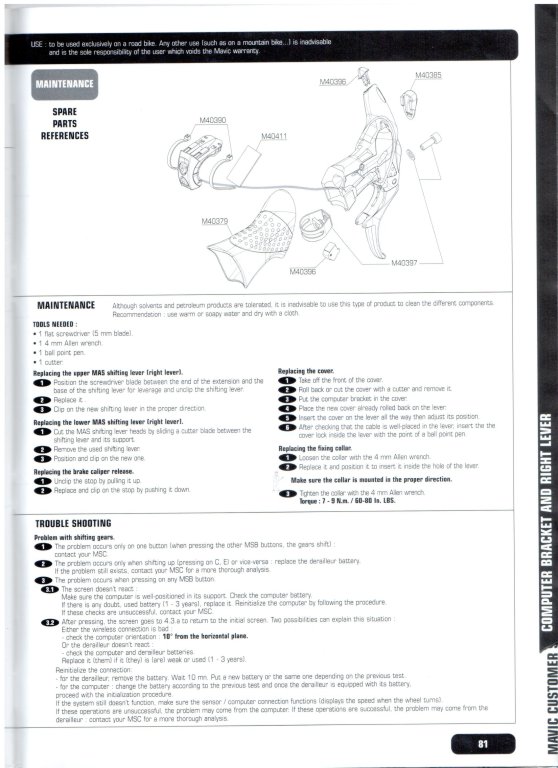
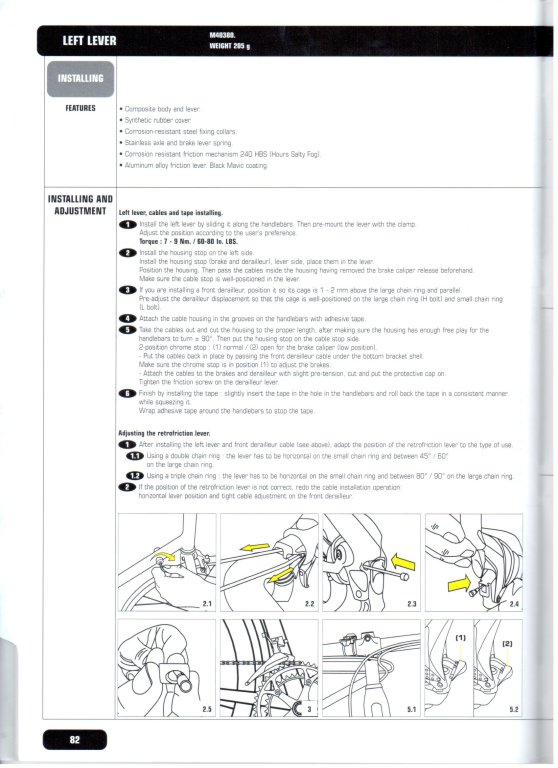
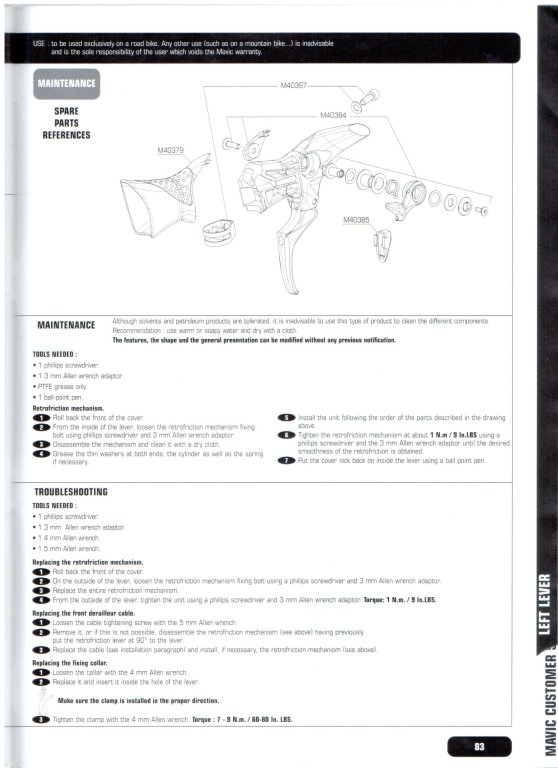
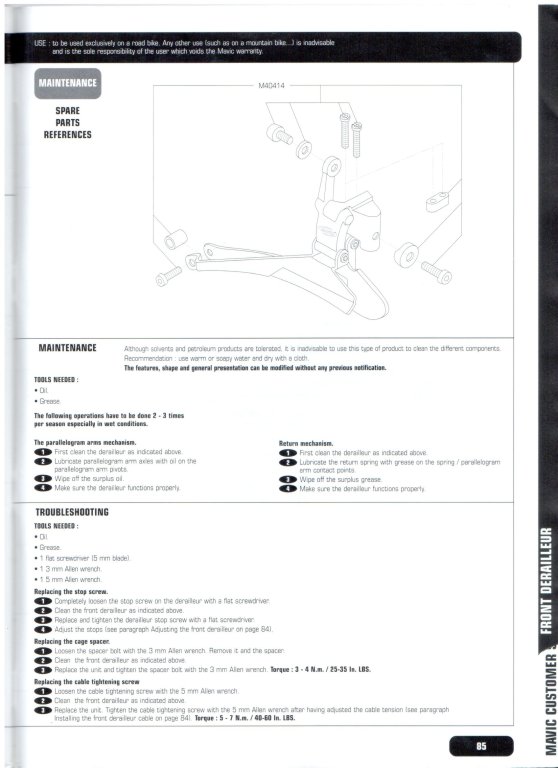
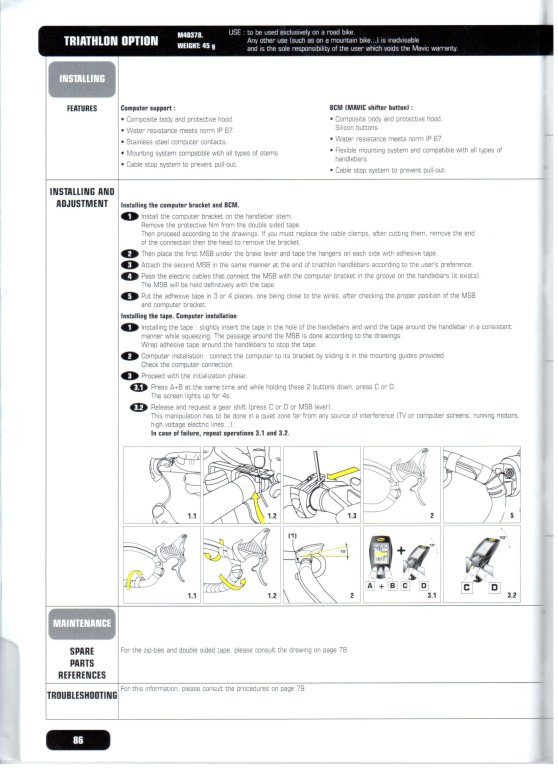
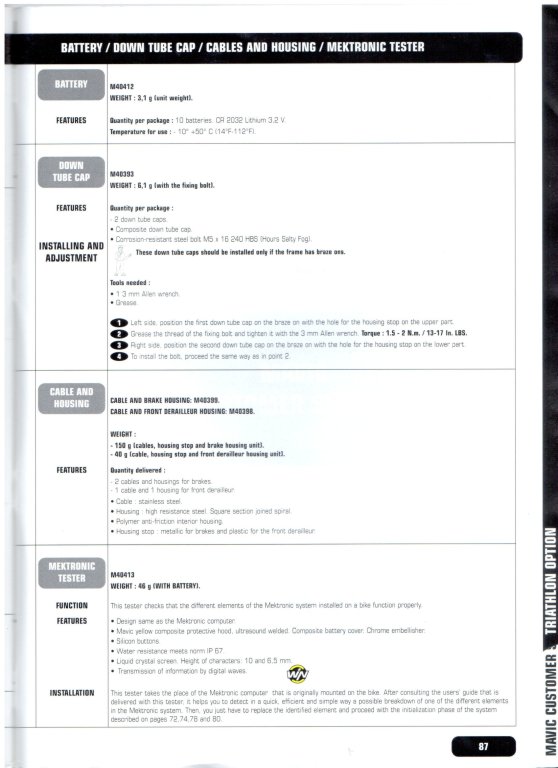
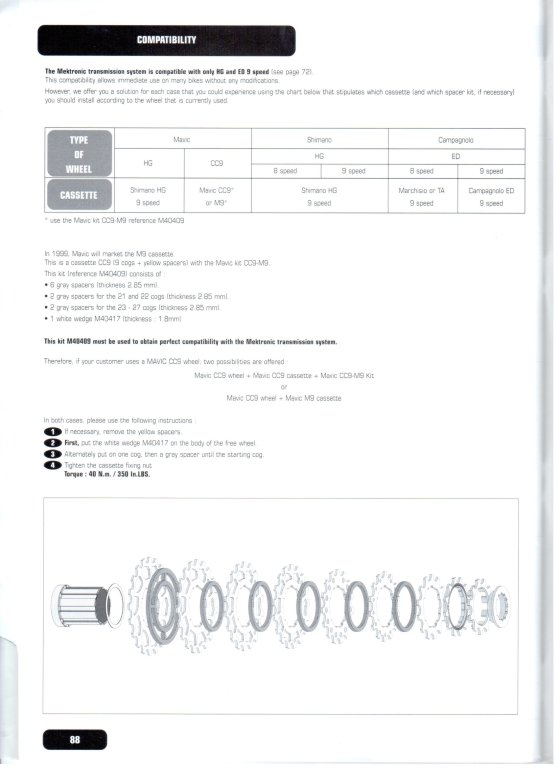
Should you find yourself in possession of a set, and feel motivated to give it a try, I hope these manual pages come in handy.